NEW EPISODES EVERY TUESDAY
Social Media Detox Challenge: Can You Reclaim Your Story?
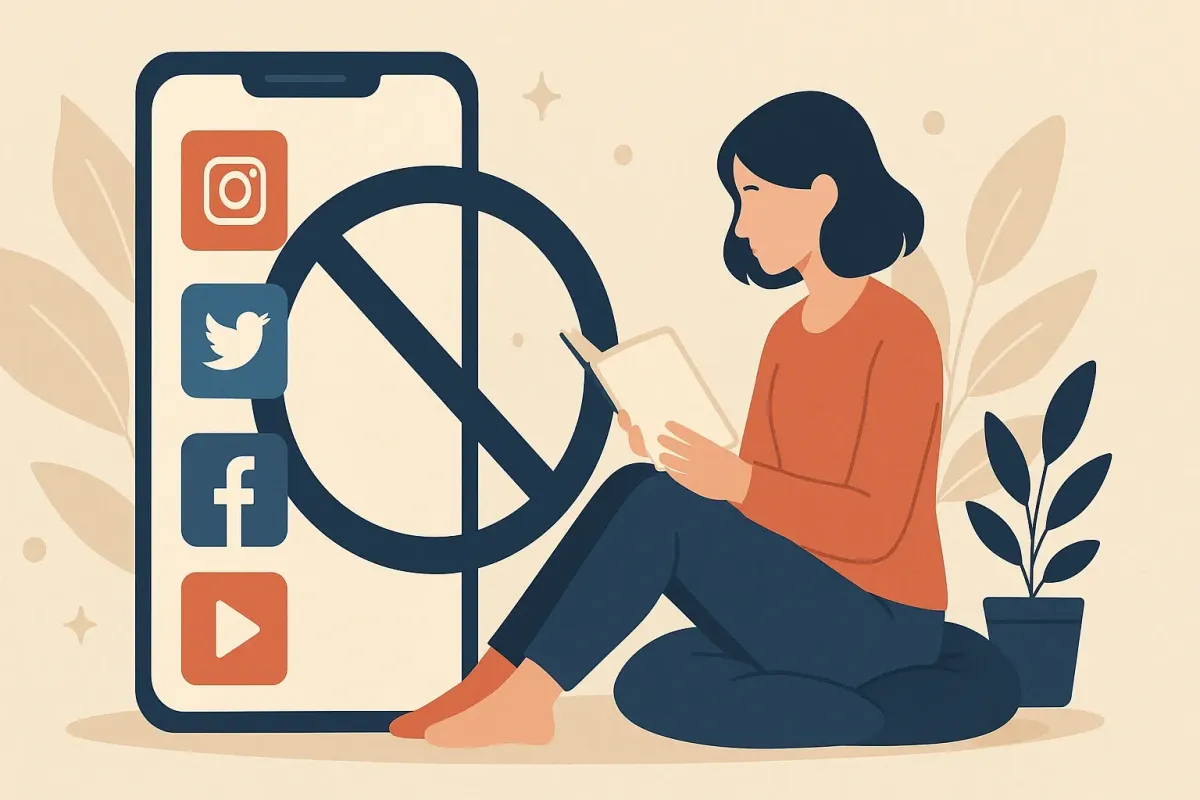
In today’s hyper-connected world, scrolling has become second nature. For many, it feels impossible to go even a few hours without checking notifications, feeds, or stories. But what if the very platforms meant to connect us are silently reshaping our thoughts, habits, and even our sense of self? This is where the concept of a social media detox becomes not just trendy—but necessary.
Why We Can’t Put the Phone Down
One of the most common questions people ask is, why is social media addictive? Platforms are designed to trigger the brain’s reward system. Each like, share, or comment delivers a small dopamine hit, reinforcing the behavior and encouraging us to keep coming back for more. This cycle creates a loop that feels rewarding but can easily become draining, even harmful.
Studies show that prolonged use can increase anxiety, lower self-esteem, and distort reality by constantly exposing us to highlight reels of others’ lives. A social media detox interrupts this cycle, giving your mind the break it desperately needs.
Signs You Might Need a Detox
You may already be experiencing subtle signs that social media is taking more than it gives. Do you wake up and check your phone before getting out of bed? Do you scroll late into the night, telling yourself “just five more minutes”? If yes, it may be time to explore how to do a social media detox.
Some red flags include:
Constant comparison with others
Increased anxiety when offline
Declining productivity at work or school
Sleep disruption from endless scrolling
A social media detox can help you reclaim your focus, creativity, and inner calm.
The Benefits of Taking a Break
The first few days of a social media detox can feel uncomfortable—like missing a habit you didn’t know was so ingrained. But soon, the benefits start to emerge:
Improved mental clarity: Without constant notifications, your mind has space to rest and reset.
Better relationships: You may notice yourself being more present in conversations and spending more meaningful time with loved ones.
Increased productivity: Hours once lost to scrolling can now fuel hobbies, fitness, or professional growth.
Healthier self-image: Without the constant barrage of “perfect” lifestyles, you begin appreciating your own journey more fully.
It’s not surprising that people who try a social media detox often feel more grounded and satisfied in daily life.
Effective Strategies for Change
Improving mental health for first responders requires a multi-layered approach:
Why Is Social Media Addictive? A Deeper Look
To truly understand the need for a detox, let’s revisit the question: why is social media addictive?
Endless content feeds: Platforms are engineered with infinite scrolling to eliminate stopping cues.
Social validation loops: Likes, comments, and shares create constant feedback, which the brain craves.
Fear of missing out (FOMO): Not checking your feed feels like missing out on news, trends, or opportunities.
Variable rewards: Much like slot machines, you never know what exciting post or notification is next.
This blend of psychology and design ensures users spend as much time online as possible. Recognizing this is the first step toward reclaiming your story.
How to Do a Social Media Detox the Right Way
The thought of completely logging off can feel overwhelming. That’s why learning how to do a social media detox effectively is key. You don’t need to disappear from the internet altogether; you just need intentional boundaries.
Here’s a step-by-step guide:
1. Set a timeline – Start with a short break (24–72 hours) and gradually extend to a week or more.
2. Delete or limit apps – Remove platforms from your phone, or use tools that limit screen time.
3. Create phone-free zones – Keep devices out of the bedroom or dining areas.
4. Replace the habit – Fill the time with books, exercise, journaling, or meaningful conversations.
5. Reflect and track – Notice how your mood, focus, and productivity change during the social media detox.
The goal is not punishment—it’s balance. You may return to social media afterward with healthier habits and stronger boundaries.
What Happens After a Detox?
When people finish a social media detox, they often describe it as liberating. Instead of feeling chained to notifications, they regain control of when and how they interact online.
This doesn’t mean abandoning social media forever. Instead, it’s about using these platforms consciously. After your detox, you can:
Set daily usage limits
Unfollow accounts that drain your energy
Follow content that uplifts, educates, and inspires
Check in with yourself regularly to avoid slipping back into addictive patterns
By shifting from passive scrolling to intentional engagement, you reclaim ownership of your digital story.
Creating a Clean Feed
A detox doesn’t have to mean quitting social media forever. Sometimes, it’s about curating your environment. Here are some quick strategies:
Unfollow toxic or overly curated accounts.
Follow creators who inspire, educate, or bring genuine joy.
Limit your time on apps to intentional check-ins instead of mindless scrolling.
By building a clean feed, you won’t just limit why is social media addictive patterns — you’ll actually transform social media into something that supports your growth.
The Bigger Picture
The reality is that why is social media addictive is not just a question for individuals—it’s a societal issue. Billions of people are hooked into the same loop, affecting everything from productivity to mental health on a global scale.
Taking part in a social media detox is more than a personal choice; it’s a quiet rebellion against the systems that profit from your attention. It’s choosing to invest time in yourself, your passions, and the relationships that truly matter.
Reclaiming Your Story
Your story is too important to be dictated by likes and shares. A social media detox gives you the opportunity to step back and ask: Who am I outside of the algorithm? What goals, dreams, and values do I want to nurture?
By committing to the challenge—even for a short period—you’ll discover clarity, calm, and confidence that social media can’t give you. The real story is yours to write.
Ready to Begin Your Challenge?
If you’ve been wondering how to do a social media detox, there’s no better time to start than now. Begin small, set your boundaries, and give yourself permission to reclaim your time and energy.
For more guidance on managing mental health in the digital age, visit The Mental Health Janitors. Their resources are designed to help you navigate challenges like digital burnout and rediscover balance in your life.
Your story doesn’t belong to social media—it belongs to you. Are you ready to reclaim it?


The Mental Health Janitors
Copyright © 2025 Cleaning up the mess in your head -
All Rights Reserved.
Powered by ActionButtonMedia.com