NEW EPISODES EVERY TUESDAY
Breaking Barriers: Prioritizing Mental Health for First Responders
The Urgent Need for Mental Health Awareness
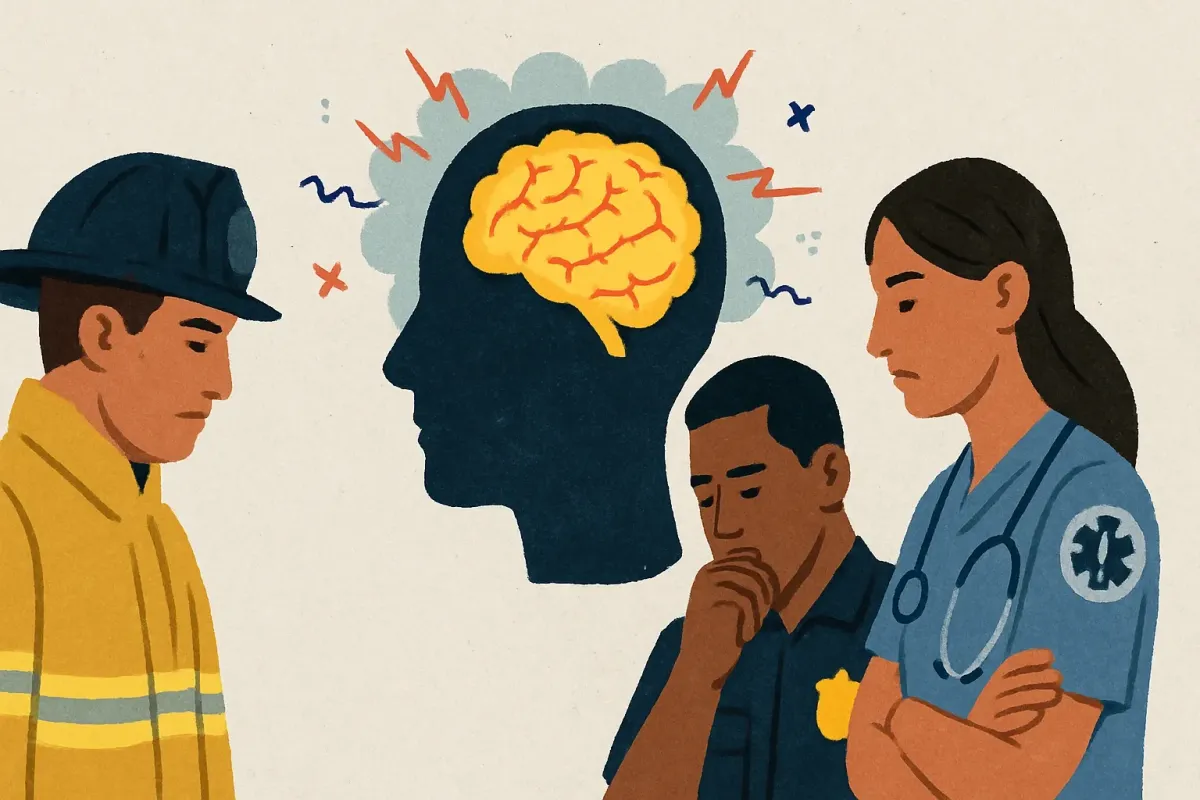
Every day, firefighters, police officers, paramedics, and other emergency personnel face high-stress situations most people will never encounter. The constant exposure to trauma, loss, and danger takes a significant toll, making mental health for first responders a pressing public concern. Yet despite the growing awareness, many still struggle in silence due to persistent mental health stigmas that prevent open conversations.
Veterans of emergency services often share similar challenges with military veterans, making it essential to provide targeted mental health support for veterans who transition into or out of first responder roles. Acknowledging these unique stressors is the first step toward creating a healthier, more resilient workforce.
The Hidden Weight of the Job
The physical demands of emergency service jobs are clear, but the psychological impact is often underestimated. Long shifts, exposure to death or injury, and the constant need to make split-second decisions under pressure create conditions ripe for anxiety, depression, and post-traumatic stress disorder (PTSD).
Addressing mental health for first responders means understanding that trauma doesn’t always surface immediately. For some, symptoms might appear weeks or months later, leading to chronic emotional strain. Unfortunately, mental health stigmas in the workplace make it difficult for individuals to admit they are struggling. Many fear being perceived as “weak” or “unfit” for the job, delaying necessary care.
Why Stigma Persists in First Responder Communities
One of the biggest challenges in improving mental health for first responders is the culture within these professions. The emphasis on bravery, self-reliance, and toughness can unintentionally reinforce mental health stigmas. Admitting to emotional struggles may feel like admitting failure, even though it’s a natural response to extreme stress.
For first responders who are also veterans, these pressures are often doubled. They carry expectations from both military and civilian emergency roles, making mental health support for veterans even more critical. Reducing stigma requires education, leadership support, and visible examples of colleagues who have sought help without negative consequences.
The Cost of Ignoring Mental Health
Neglecting mental health for first responders has far-reaching consequences. On an individual level, untreated mental health issues can lead to burnout, substance abuse, strained relationships, and even suicide. On an organizational level, it impacts job performance, retention, and morale.
Persistent mental health stigmas create workplaces where warning signs are overlooked and those in need avoid seeking treatment. For veterans in first responder roles, the absence of mental health support for veterans means they may lack essential coping tools despite having unique risk factors.
Effective Strategies for Change
Improving mental health for first responders requires a multi-layered approach:
1. Leadership Commitment – When leaders openly discuss their own experiences and encourage mental wellness, it sets the tone for the team.
2. Peer Support Networks – Connecting with colleagues who understand the pressures of the job helps break down mental health stigmas and promotes early intervention.
3. Access to Professional Help – Confidential counseling, therapy, and specialized programs for trauma care are vital.
4. Specialized Veteran Programs – Tailored mental health support for veterans ensures that those with prior military service receive the targeted care they need.
The Role of Training and Education
Training is not just about tactical readiness — it’s also about emotional resilience. Regular workshops on mental health for first responders can normalize conversations about stress management and recovery. When recruits learn early on that seeking help is a sign of responsibility, not weakness, they are less likely to be hindered by mental health stigmas later in their careers.
Programs inspired by military debriefing and reintegration strategies can enhance mental health support for veterans who transition into first responder work. These programs address both cumulative stress and the shift between high-intensity environments.
Building a Culture of Openness
Changing workplace culture takes time, but it starts with small actions. Recognizing the importance of mental health for first responders means creating an environment where checking in with colleagues is standard practice. Leadership can encourage mental health check-ins just as they would safety checks before a shift.
Breaking down mental health stigmas also involves community engagement. Public awareness campaigns, joint training with healthcare professionals, and partnerships with veteran organizations can foster better understanding. Integrating mental health support for veterans into broader wellness initiatives ensures that those with the most complex needs receive appropriate care.
Conclusion: Protecting Those Who Protect Us
First responders are society’s lifeline during emergencies, but they are not immune to the emotional costs of their work. Prioritizing mental health for first responders is not an optional benefit — it’s an essential investment in public safety. By dismantling mental health stigmas and offering comprehensive mental health support for veterans, we create stronger, healthier teams capable of serving their communities with resilience and compassion.
Listen and Learn More – Watch the Podcast
If you found this discussion valuable, you won’t want to miss the latest episode of the Mental Health Janitors Podcast. Sgt Q and Pastor Jay share powerful stories, practical strategies, and personal experiences that shed light on the realities of mental health for first responders and how to overcome mental health stigmas.
🎧 Watch the full episode here: https://youtu.be/0tooluyaH6w?si=BGiRU76yXdapv_RS
Whether you’re a first responder, a veteran, or someone passionate about supporting those on the front lines, this episode delivers insight, hope, and actionable steps for better mental well-being.


The Mental Health Janitors
Copyright © 2025 Cleaning up the mess in your head -
All Rights Reserved.
Powered by ActionButtonMedia.com